
Homeowners often ask the same question near the end of a build:
“The house is almost done. One or two rooms aren’t finished. Can we move in?”
In Ontario, the answer is sometimes — depending on what is unfinished.
The Ontario Building Code allows a dwelling, or part of a dwelling, to be occupied before it is fully complete, but only when specific occupancy conditions are met. Unfinished work is permitted only if it does not affect life safety, health, structural integrity, or the building envelope.
This article explains what “occupancy” really means, what unfinished work may be acceptable, and the most common reasons occupancy is refused.
What “Occupancy” Really Means
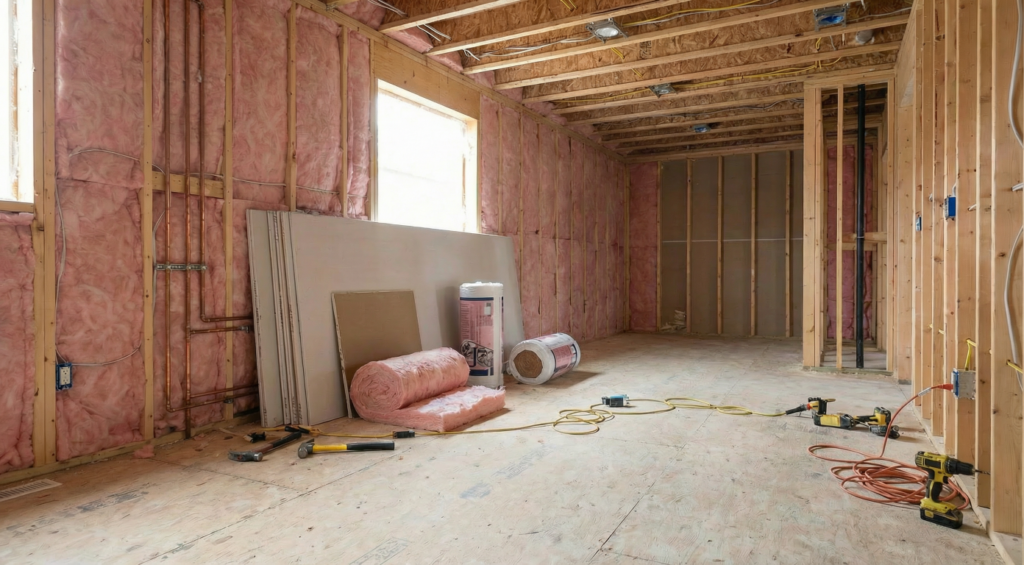
Occupancy is not the same as a final inspection.
An occupancy inspection confirms that a dwelling is safe and functional for its intended use, even if some minor items are incomplete. In general, this means:
- critical life-safety items are complete and operational,
- essential building systems are functioning,
- outstanding deficiencies and required documentation are resolved,
- and the construction substantially matches the approved permit drawings.
If unfinished work affects safety or core functionality, occupancy will be delayed until it is corrected.
Unfinished Items That Are Often Acceptable
Depending on the project and local practice, occupancy may still be granted when the remaining work is minor and non-safety related, such as:
- painting and decorating,
- baseboards, trim, and minor interior finishes,
- cabinetry or shelving (where it does not affect required fixtures),
- flooring in non-critical areas,
- minor cosmetic touch-ups.
The key idea is this: unfinished does not automatically mean unsafe.
Common Reasons Occupancy Is Refused
Occupancy is typically refused when unfinished work affects any of the following:
Egress and Fall Protection
- incomplete stairs or landings,
- missing handrails or guards,
- unsafe or temporary stairs,
- non-compliant stair geometry or insufficient headroom.
Fire and Life Safety
- missing or non-functional smoke alarms or carbon monoxide alarms,
- incomplete fire separations (gaps, missing drywall, unsealed penetrations),
- house-to-garage separation issues, including missing air barrier continuity or required door protections.
Essential Services
- heating system not operational,
- plumbing not complete enough for basic use (no functional washroom grouping or missing hot and cold water to fixtures),
- lighting incomplete in key areas such as stairwells and exterior entrances,
- required mechanical ventilation not functioning.
Administrative Issues
- unresolved deficiencies from earlier inspections,
- missing required reports or documentation,
- construction not matching the approved permit drawings,
- outstanding orders or unresolved permit conditions.
Occupancy cannot be used to bypass unresolved technical or administrative requirements.
Exposed Insulation and Thermal Barriers
This issue often surprises homeowners because it looks like a “finishing” item, but it is not.
Foamed plastic insulation, such as spray foam or rigid foam boards, typically cannot be left exposed in areas that form part of the dwelling at occupancy. These materials can ignite quickly and produce dense, toxic smoke. For this reason, they typically must be protected by an approved thermal barrier.
In most residential construction, the thermal barrier is:
- gypsum board (drywall), commonly 1/2″ or 5/8″ Type X where required.
If foamed plastic insulation is visible within occupied areas, occupancy approval is often delayed until the proper protective barrier is installed.
Other insulation types, such as batt or loose-fill insulation, do not typically require a thermal barrier, but must be protected from mechanical damage and installed in accordance with the Ontario Building Code.
This distinction is frequently misunderstood and is a common cause of delayed occupancy.
Occupancy Myths vs. Reality
Myth: “Occupancy means everything is finished.”
Reality: Occupancy means the dwelling meets the minimum safety threshold. Minor items may remain incomplete, but safety cannot.
Myth: “We can move in and fix deficiencies later.”
Reality: If unfinished work affects safety, essential systems, or required documentation, occupancy will be delayed until it is corrected.
Myth: “It’s just one unfinished room.”
Reality: What matters is what is unfinished, not how many rooms. If it affects exits, alarms, fire separation, heating, plumbing, ventilation, or insulation protection, occupancy may be refused.
Quick Homeowner Checklist Before You Request Occupancy
Before booking an occupancy inspection, confirm that:
- stairs are complete and safe, with required handrails and guards installed,
- smoke alarms and carbon monoxide alarms are installed and functional,
- the heating system is operational,
- basic plumbing is functional, including at least one complete washroom grouping,
- lighting is installed, especially in stairwells and at entrances,
- fire separations are complete and continuous, with no gaps or unsealed penetrations,
- foamed plastic insulation is not left exposed in areas forming part of the dwelling,
- other insulation is protected from mechanical damage where required,
- all previous inspection deficiencies have been addressed,
- required reports and documentation (if applicable) have been submitted.
Key Takeaway
Yes, you can sometimes obtain occupancy with unfinished work.
However, the unfinished items must be truly minor and must not affect life safety, essential services, structural integrity, or the building envelope.
If an unfinished room impacts exits, alarms, fire separation, heating, plumbing, ventilation, or insulation protection, occupancy will usually be delayed until the issue is corrected.
Disclaimer: This article is for general educational purposes only. Building Code interpretation and enforcement may vary by municipality. Always confirm requirements with your local Authority Having Jurisdiction.