Author: Ontario Building Explained

  • What Makes a Basement Legal in Ontario? Understanding Secondary Suites (2024 Update)

    Many homeowners finish basements expecting them to function as rental units or in-law suites. However, a finished basement is not automatically a legal dwelling unit.

    In Ontario, a legal basement apartment is referred to as a Secondary Suite, and it must meet specific Building Code and permit requirements.

    What Is a Secondary Suite?

    A Secondary Suite is a self-contained dwelling unit within a house that includes:

    • A kitchen
    • A bathroom
    • Sleeping and living space

    A Secondary Suite is only legal once it has been permitted, inspected, and approved.

    Permits Are Mandatory

    Creating a Secondary Suite always requires a building permit.

    This is because:

    • The number of dwelling units changes
    • Fire and life-safety provisions apply
    • Plumbing, heating, and electrical systems are affected

    Unpermitted suites are one of the most common inspection and resale problems.

    2024 Ontario Building Code Update — Smoke-Tight Separation

    Under the 2024 Ontario Building Code, the separation between the main dwelling unit and the Secondary Suite no longer requires a fire-resistance rating by default.

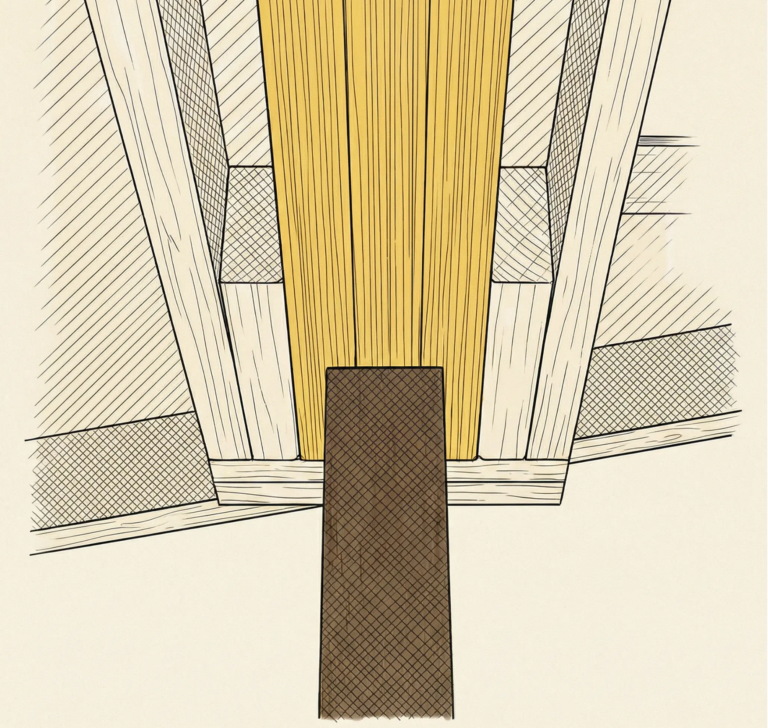
    Instead, the Code requires a continuous smoke-tight barrier between the units.

    This barrier typically consists of:

    • 5/8″ Type X gypsum board
    • Installed on both sides of separating walls
    • Installed on the underside of separating floor assemblies
    • Continuous and sealed at all penetrations

    The focus is smoke containment and early warning, not fire endurance time.

    Temperature Control Requirement

    Independent temperature control is typically required for the Secondary Suite, although acceptable methods depend on system design and Code compliance.

    Other Common Requirements

    A legal Secondary Suite must also meet requirements for:

    • Minimum ceiling heights
    • Proper exits and egress windows
    • Smoke and carbon monoxide alarms
    • Plumbing venting and shut-offs
    • Heating and ventilation distribution

    Why Secondary Suites Fail Approval

    Common issues include:

    • Missing permits
    • Gaps in smoke-tight separation
    • Inadequate ceiling height
    • Improper egress windows
    • Shared or interconnected ductwork

    Most of these issues are preventable with early planning.

    Key Takeaway

    A finished basement is not a legal Secondary Suite unless it complies with current Building Code requirements and has passed inspection.

    Building it right the first time avoids costly corrections later.

    Disclaimer: This article is for general educational purposes only. Building Code interpretation and enforcement may vary by municipality. Always confirm requirements with your local Authority Having Jurisdiction.

  • 5 Renovations in Ontario That Secretly Require a Building Permit

    Many homeowners assume building permits are only required for major additions or new houses. In reality, some of the most common home renovations in Ontario require permits — even when the work looks minor or purely interior.

    These projects often fail inspections, resale reviews, or insurance checks not because they were done poorly, but because they were done without approval.

    Below are five renovations that frequently catch homeowners off guard.


    1. Finishing a Basement

    Finishing a basement almost always requires a building permit.

    Even when no bedrooms or bathrooms are added, basement work typically involves:

    • framing and insulation
    • electrical wiring
    • heating and ventilation changes
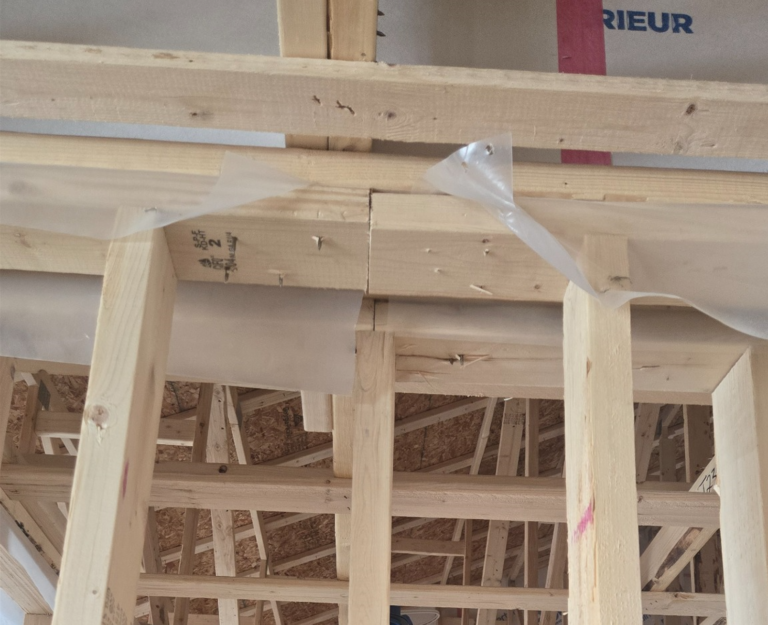
    • fire and smoke separation requirements

    Basement renovations also trigger life-safety checks such as:

    • minimum ceiling heights
    • smoke and carbon monoxide alarms
    • egress requirements in certain cases

    Basement work is one of the most common areas where unpermitted construction is discovered later — often during resale or inspection.


    2. Creating or Modifying a Secondary Suite

    Any renovation that creates a separate dwelling unit requires a permit.

    This includes adding or modifying:

    • kitchens
    • bathrooms
    • bedrooms
    • layouts that allow independent living

    Permits are required regardless of whether the suite is:

    • rented
    • used for family
    • or existed informally before

    Secondary suites introduce additional requirements related to:

    • smoke-tight separation
    • alarms
    • heating and ventilation
    • dwelling unit separation

    Without a permit, a suite cannot be considered legal — even if it appears complete.


    3. Removing or Modifying Walls

    Removing or modifying walls affects far more than structure.

    Even when a wall is not load-bearing, changes can impact multiple Building Code requirements, including:

    • Ventilation
      Walls define air distribution. Removing them can leave rooms without required supply or return air.
    • Heating
      Each habitable room must be adequately heated. Wall changes can eliminate registers or create poorly served spaces.
    • Natural Light and Egress
      Bedrooms and living areas require compliant windows. Changing layouts can create rooms that no longer meet light or escape requirements.
    • Minimum Room Sizes
      Altered layouts can unintentionally create rooms that do not meet minimum area or dimension requirements.
    • Fire and Smoke Separation
      Walls may form part of required fire-resistance or smoke-tight assemblies. Altering them can break continuity and cause inspection failure.

    Because wall changes affect life safety and habitability, permits are typically required — even when the wall “doesn’t look structural.”


    4. Building or Altering a Deck

    Decks are one of the most misunderstood permit areas in Ontario.

    Permits are commonly required for:

    • decks attached to a house
    • elevated decks
    • decks supporting guards or stairs

    Inspection failures often involve:

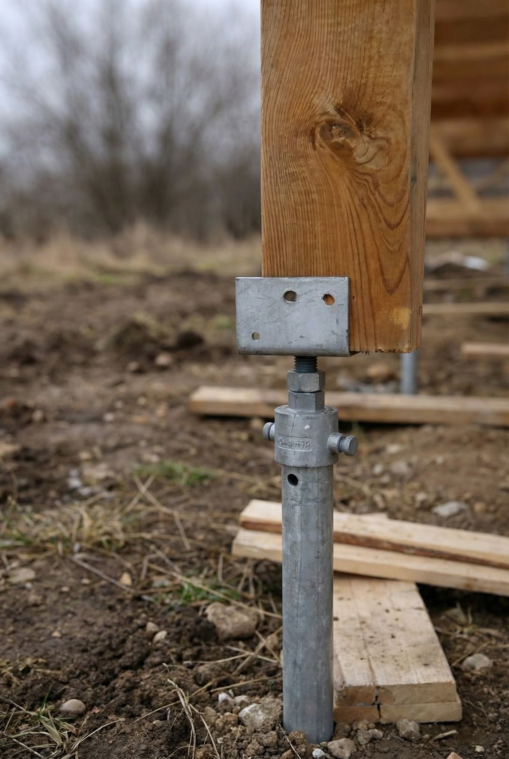
    • improper footings or piles
    • posts not centered or properly secured
    • inadequate guards or handrails
    • insufficient clearance above grade

    Deck issues are highly visible and frequently flagged during inspections or neighbour complaints.


    5. Adding or Relocating Plumbing Fixtures

    Adding or moving plumbing fixtures typically requires a permit.

    This includes:

    • new bathrooms
    • relocated sinks or toilets
    • added laundry connections
    • changes to drainage or venting

    Plumbing issues often remain hidden until inspection, where problems such as:

    • improper venting
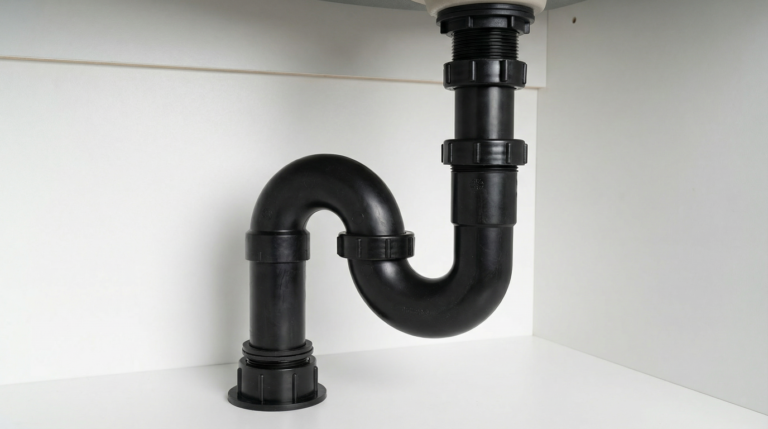
    • S-traps
    • missing cleanouts
    • inaccessible shut-off valves

    are discovered.

    Plumbing permits protect both building safety and public health.


    Why These Projects Cause Problems Later

    Unpermitted renovations often surface:

    • during inspections
    • at time of sale
    • during refinancing
    • or after insurance claims

    Consequences may include:

    • stop-work orders
    • mandatory exposure of finished work
    • engineering reviews
    • retroactive permits with added conditions

    Fixing unpermitted work is usually more expensive than permitting it properly from the start.


    Key Takeaway

    If a renovation affects structure, safety, plumbing, ventilation, heating, or occupancy, assume a permit is required until confirmed otherwise.

    Permits are not obstacles — they are protections.

    Disclaimer: This article is for general educational purposes only. Building Code interpretation and enforcement may vary by municipality. Always confirm requirements with your local Authority Having Jurisdiction.

  • Do I Need a Building Permit in Ontario? What Homeowners Get Wrong

    One of the most common questions homeowners ask before starting work is simple:

    “Do I need a building permit for this?”

    In Ontario, many projects require a permit even when the work looks minor. Starting construction without one can result in stop-work orders, delays, fines, or costly corrections later — especially during resale, financing or inspection.

    This article explains when a permit is required, when it usually is not, and why misunderstandings are so common.

    When a Building Permit Is Required

    In general, a building permit is required whenever work affects:

    • Structure
    • Fire or life safety
    • Plumbing or drainage
    • Heating or ventilation systems
    • The number of dwelling units

    Common examples include:

    These requirements apply whether the work is new construction, renovation, or alteration.

    • New houses
    • Additions or extensions
    • Detached Garages
    • Sunrooms and enclosed porches
    • Finishing a basement
    • Creating a Secondary Suite
    • Removing or modifying load-bearing walls
    • Installing beams or columns
    • Building decks attached to a house
    • Structural window or door changes
    • New bathrooms or kitchens
    • Adding or relocating plumbing fixtures

    If the work changes how the building performs or is occupied, a permit is usually required.

    When a Permit Is Usually Not Required

    Permits are typically not required for cosmetic or maintenance work, such as:

    • Painting and decorating
    • Flooring replacement
    • Cabinet replacement (without plumbing changes)
    • Roofing replacement using the same materials
    • Replacing windows or doors without changing the opening size

    Even when a permit is not required, all work must still comply with the Ontario Building Code.

    If the work involves structural changes, plumbing alterations, or changes to fire separations, a permit may still be required even if the work appears cosmetic.

    Why Homeowners Get This Wrong

    Most permit issues happen because:

    • Contractors say a permit is “not necessary”
    • The work looks minor or hidden
    • The house is old and already non-conforming
    • Work is done in stages without review
    • Homeowners assume permits are optional

    A project does not become exempt just because it is common.

    What Happens If You Build Without a Permit

    Unpermitted work can result in:

    • Stop-work orders
    • Mandatory inspections after the fact
    • Removal of finished work
    • Engineering reports at the owner’s expense
    • Delays during property sale or refinancing
    • Insurance coverage issues

    Fixing unpermitted work often costs more than doing it correctly the first time.

    How to Know for Sure

    Before starting work:

    1. Contact your local Building Department
    2. Clearly describe the scope of work
    3. Ask whether a permit is required
    4. Confirm inspection stages

    This step alone prevents most problems.

    Many municipalities can provide this information by phone or email before work begins.

    Key Takeaway

    If your project affects structure, safety, plumbing, or occupancy, assume a permit is required until confirmed otherwise.

    When in doubt — ask first.

    This information reflects common requirements across Ontario municipalities but should not replace confirmation with your local Building Department.

    Disclaimer: This article is for general educational purposes only. Building Code interpretation and enforcement may vary by municipality. Always confirm requirements with your local Authority Having Jurisdiction.